PhysNeXt: Next-Generation Dual-Branch Structured Attention Fusion Network for Remote Photoplethysmography Measurement
Authors: Junzhe Cao, Bo Zhao, Zhiyi Niu, Dan Guo, Yue Sun
The paper utilizes dual-branch structured attention fusion to balance noise and details.
Paper Summary
Problem
The authors propose a dual-branch network, fusing the advantages of end-to-end modeling and STMap representation. It effectively integrates spatiotemporal information, reducing motion artifact noise while preserving high-frequency details.
Method Overview
- Backbone: (阅读笔记待补充)
- Key module: (阅读笔记待补充)
- Loss: (阅读笔记待补充)
Takeaways
Personal understanding — corrections welcome
The abstract highlights a dual-branch network that fuses end-to-end modeling with STMap representation. This effectively integrates spatiotemporal information to reduce motion artifact noise while preserving high-frequency details.
Limitations & Questions
Limitations to be supplemented.
Reading Notes
Personal reading notes. Original paper: arXiv:2603.19752v1.
arxiv_id: 2603.19752v1
Paper Deep Dive: PhysNeXt - Next-Generation Dual-Branch Structured Attention Fusion Network for Remote Photoplethysmography Measurement
1. Paper Basic Information
- Paper Title: PhysNeXt: Next-Generation Dual-Branch Structured Attention Fusion Network for Remote Photoplethysmography Measurement
- Paper ID: 2603.19752v1
- Authors: Junzhe Cao, Bo Zhao, Zhiyi Niu, Dan Guo, Yue Sun, Haochen Liang, Yong Xu, Zitong Yu
- Affiliations: Harbin Institute of Technology (Shenzhen), Greater Bay University, Hefei University of Technology, Macao Polytechnic University
- Core Fields: Computer Vision (cs.CV), Biosignal Processing, Remote Photoplethysmography (rPPG)
2. Research Background and Challenges
Remote Photoplethysmography (rPPG) technology captures subtle color changes in facial skin caused by heartbeats using standard RGB cameras, enabling non-contact measurement of heart rate and vital signs. Compared to traditional contact-based measurements (such as Electrocardiogram, ECG), rPPG offers advantages such as being non-invasive, low-cost, and easy to integrate, showing broad application prospects in telemedicine, driving safety monitoring, and human-computer interaction.
However, existing deep learning-based rPPG methods are mainly divided into two categories, each with limitations:
- Raw Video Input (Video Input):
- Advantages: Preserves complete spatiotemporal information and can capture subtle heartbeat-related signals.
- Disadvantages: Introduces significant noise, such as motion artifacts and lighting changes, and involves large data volume with high computational complexity.
- Spatio-Temporal Map Input (STMap Input):
- Advantages: Stacks the temporal color changes of multiple Regions of Interest (ROI) into a compact 2D representation, significantly reducing data volume and computational complexity, making it suitable for 2D convolutional networks.
- Disadvantages: The compression process loses some high-frequency details from the original video, potentially leading to reduced accuracy in pulse waveform recovery.
Core Problem: How to effectively integrate the advantages of these two information structures within a single model, preserving details while reducing noise interference, is a current research challenge.
3. Core Method: PhysNeXt Architecture
To address the above challenges, the authors propose PhysNeXt, a dual-input deep learning framework that jointly utilizes Video Frames and Spatio-Temporal Map (STMap) representations. The network aims to enhance the robustness of pulse signal extraction through collaborative enhancement.
3.1 Input Comparison and Dual-Stream Design
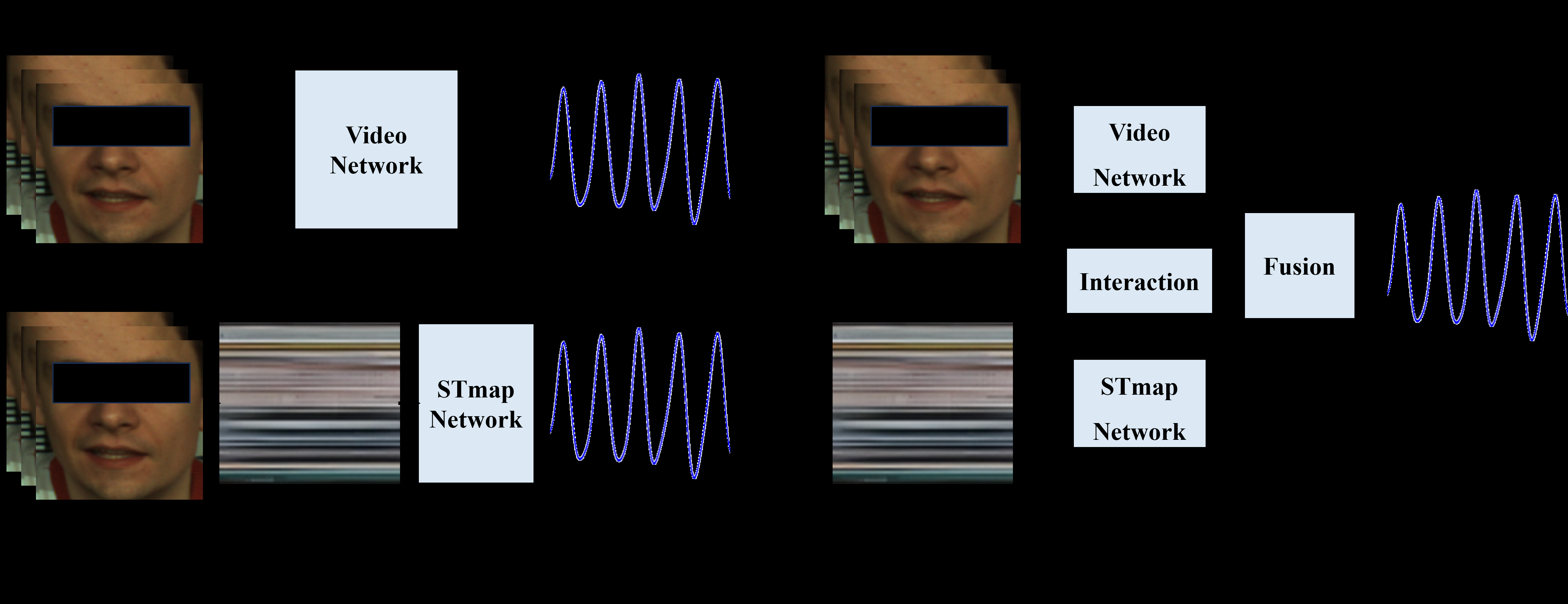
The paper first compares three input methods: Video-only input, STMap-only input, and the proposed Video and STMap dual-stream input. The dual-stream design aims to combine the complementary characteristics of both.
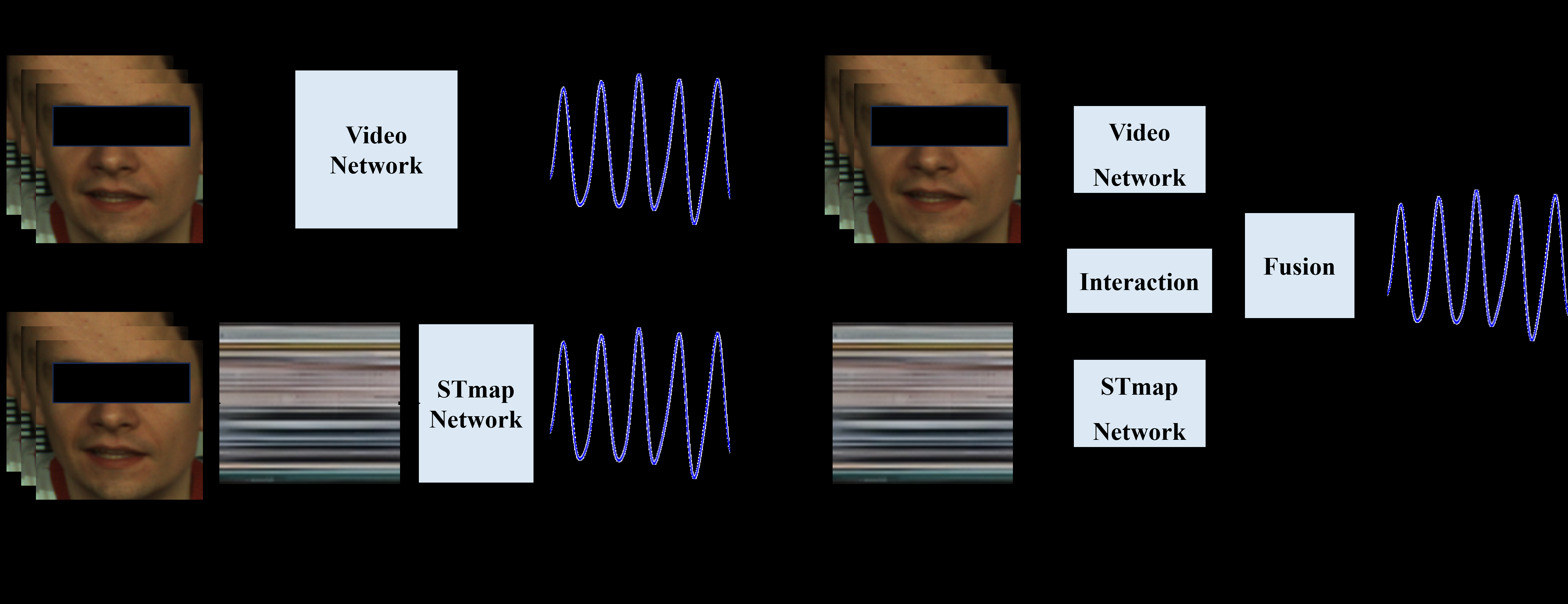
Figure 1: Input Mode Comparison (Video, STMap, and Dual-Stream Input). Embedded from PDF page 2.
3.2 Overall Network Framework
PhysNeXt contains two parallel branches:
- STMap Branch: Takes STMap as input, using RhythmNet as the backbone network.
- Video Branch: Takes raw video frame sequences as input, using PhysNet as the backbone network.
The two branches perform feature alignment and information exchange through interaction modules at multiple time scales, and finally predict the rPPG signal through a fusion decoder.
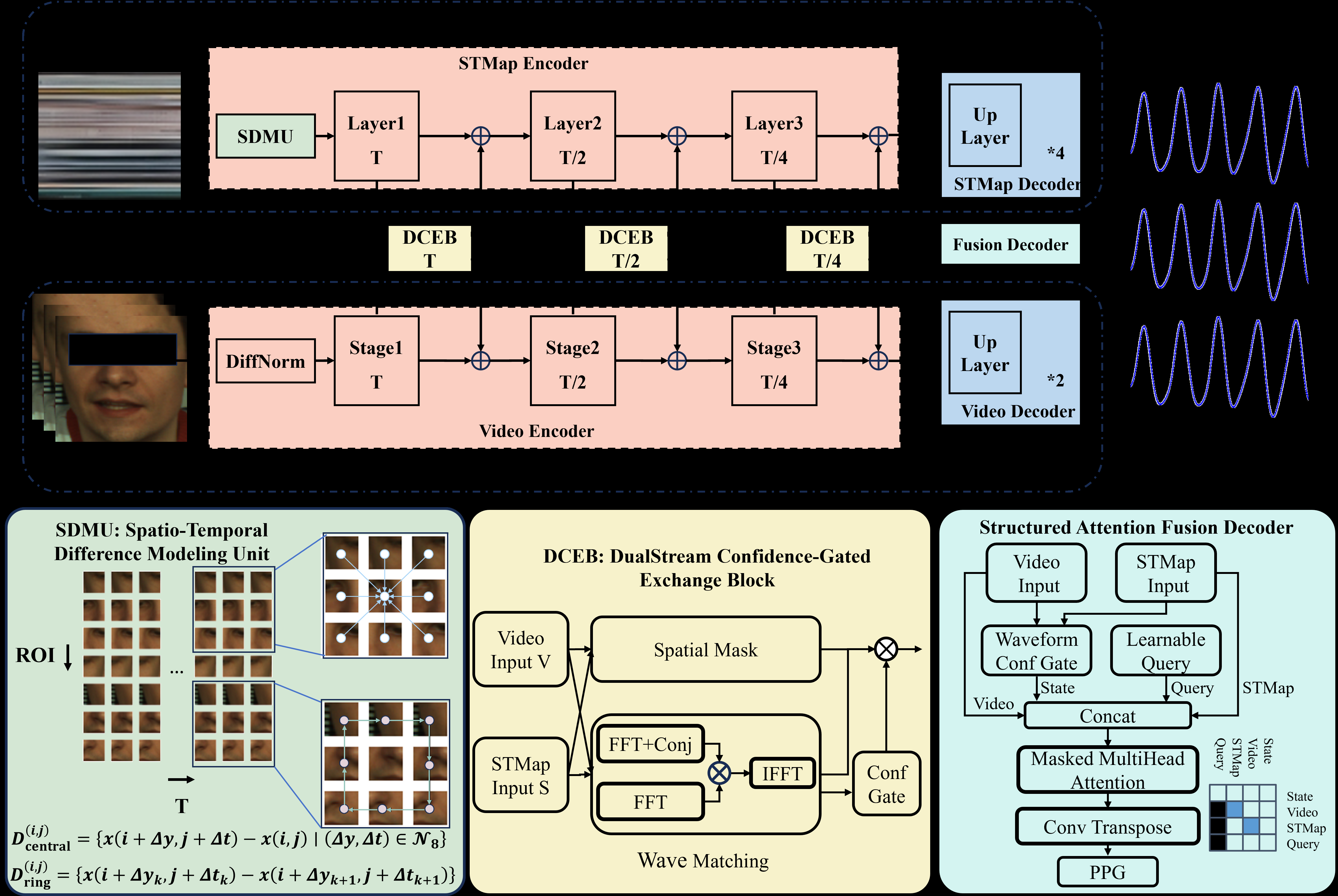
Figure 2: PhysNeXt Overall Network Framework. Embedded from PDF page 5.
4. Detailed Explanation of Three Key Innovation Modules
The core contribution of PhysNeXt lies in the design of its three key components, which optimize feature extraction, cross-modal interaction, and signal decoding respectively.
4.1 Spatio-Temporal Difference Modeling Unit (STDMU)
- Location: Embedded in multiple layers of the STMap branch.
- Function: Explicitly enhances the modeling of skin color changes caused by heartbeats.
- Principle: By capturing differences in time and space, STDMU can more sensitively identify subtle color fluctuations caused by cardiac pulsation, compensating for high-frequency details potentially lost during the STMap compression process.
4.2 Cross-Modal Interaction Module
- Location: Located between the Video Encoder and the STMap Encoder.
- Function: Achieves reliable feature complementarity.
- Mechanism:
- Frequency-domain waveform matching: Aligns features of the two modalities using frequency-domain correlation.
- Confidence-gated modulation: Controls the direction and intensity of information flow.
- This module ensures that only high-confidence features are transmitted between modalities, avoiding noise interference and achieving effective feature fusion.
4.3 Structured Attention Fusion Decoder
- Location: Decoding stage.
- Function: Further integrates multi-source signals to improve rPPG waveform recovery accuracy.
- Mechanism:
- Introduces a Global State Token and multiple Learnable Query Tokens.
- Uses Masked Multi-Head Attention to control interactions between different Tokens.
- This design achieves fine-grained fusion of multi-source information, enabling the model to reconstruct pulse waveforms more accurately.
5. Experimental Verification and Performance
The authors evaluated PhysNeXt on four benchmark datasets, including intra-dataset and cross-dataset tests.
- Performance: Experimental results show that PhysNeXt can achieve more stable and finer-grained rPPG signal recovery under challenging conditions (such as motion interference and lighting changes).
- Comparative Advantage: Validates the effectiveness of jointly modeling video and STMap representations, outperforming methods with single input modes.
- Visualization Results: The paper provides detailed experimental comparison charts and signal recovery examples, demonstrating the model’s robustness in different scenarios.
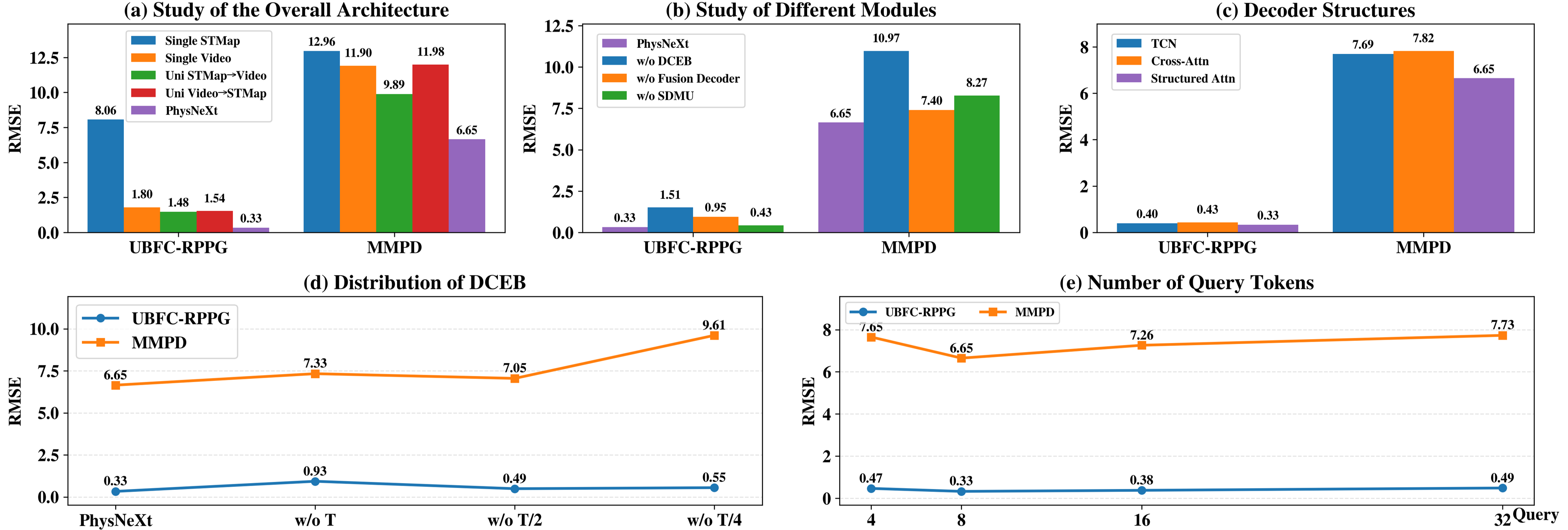
Figure 3: Experimental Results Visualization (see original text for details). Embedded from PDF page 13.
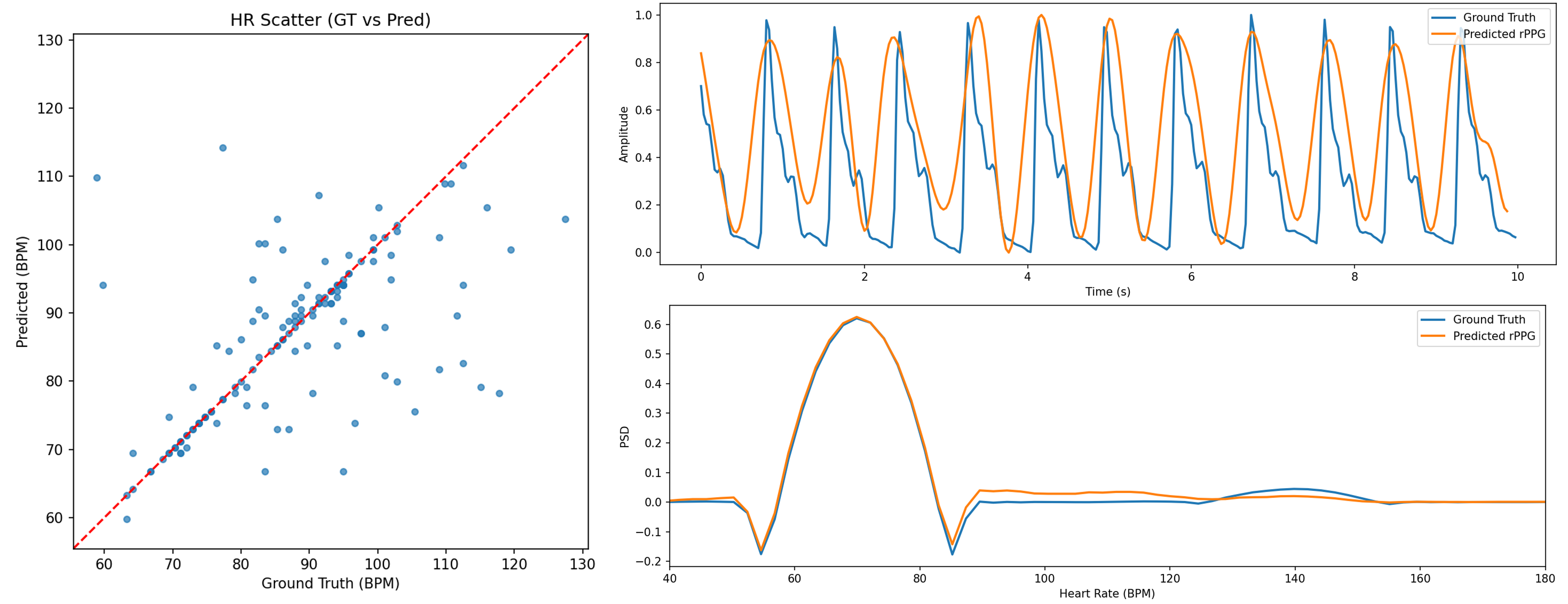
Figure 4: Performance Comparison or Signal Recovery Examples. Embedded from PDF page 14.
6. Summary and Outlook
PhysNeXt proposes a novel dual-branch structured attention fusion network, successfully resolving the contradiction between high noise in video input and information loss in STMap input within the rPPG field.
-
Main Contributions:
- Designed the Spatio-Temporal Difference Modeling Unit for the STMap branch.
- Proposed a Cross-Modal Interaction Module based on frequency-domain matching and confidence gating.
- Introduced a fusion decoder with structured attention mechanisms.
- Achieved superior performance on multiple benchmark datasets.
-
Future Significance: This work provides a new perspective for remote physiological signal measurement, namely improving system robustness through complementary fusion of multi-modal representations. The code will be open-sourced soon, aiding further research in this field.
This note was included in the arXiv daily digest 20260614. More roundups at blog archive .