
Reperio-rPPG: Relational Temporal Graph Neural Networks for Periodicity Learning in Remote Physiological Measurement
Authors: Ba-Thinh Nguyen, Thach-Ha Ngoc Pham, Hoang-Long Duc Nguyen, Thi-Duyen Ngo, Thanh-Ha Le
The paper utilizes Relational Temporal Graph Neural Networks to mine the inherent periodicity within physiological signals.
Paper Summary
Problem
The paper proposes the Reperio-rPPG framework to model temporal dynamics via Graph Neural Networks, addressing insufficient periodicity modeling in prior methods to improve real-world performance.
Method Overview
- Backbone: (阅读笔记待补充)
- Key module: (阅读笔记待补充)
- Loss: (阅读笔记待补充)
Takeaways
Personal understanding — corrections welcome
The core contribution is the Reperio-rPPG framework, which uses Graph Neural Networks for temporal dynamics modeling to overcome limitations in signal periodicity modeling and enhance real-scenario performance.
Limitations & Questions
Limitations are pending supplementation in the reading notes and open for discussion.
Reading Notes
Personal reading notes. Original paper: arXiv:2511.05946v1.
arxiv_id: 2511.05946v1
Paper Overview
This paper proposes a novel framework named Reperio-rPPG, aiming to address the insufficient modeling of the intrinsic periodicity of physiological signals in remote photoplethysmography (rPPG). By combining Relational Convolutional Networks with Graph Transformers, the model can more effectively capture the periodic structures in heart rate signals. Additionally, the authors introduce a customized CutMix data augmentation strategy to enhance the model’s generalization capability in complex real-world scenarios. Experiments were conducted on three benchmark datasets: PURE, UBFC-rPPG, and MMPD. Results show that the method achieves state-of-the-art (SOTA) performance under various motion states and lighting conditions.
Research Background and Challenges
Rise and Limitations of rPPG Technology
Heart rate (HR) is a key physiological signal for assessing health status. Traditional monitoring methods (e.g., ECG and PPG) rely on contact electrodes or wearable devices, which are accurate but suffer from inconvenience and skin sensitivity issues. In contrast, non-contact rPPG technology based on facial video utilizes RGB cameras to capture subtle skin color changes to estimate vital signs, offering advantages of being non-invasive and scalable. It is widely used in telemedicine, driver fatigue detection, and other fields.
However, non-contact methods are very sensitive to lighting conditions, skin tone differences, and subject motion. Although deep learning (CNN, Transformer) has alleviated these problems to some extent, achieving stable and accurate performance in real-world environments remains an open challenge.
Shortcomings of Existing Methods
Early rPPG methods mainly relied on classic signal processing (e.g., blind source separation) or models based on color space transformation. Subsequently, CNN-based methods (e.g., DeepPhys, PhysNet) improved performance by extracting spatiotemporal features. Recently, Transformer architectures (e.g., PhysFormer, RhythmFormer) have been introduced to model long-range spatiotemporal dependencies.
Although these models can extract meaningful features, most methods treat blood volume pulse (BVP) as a general time-series signal, failing to fully utilize its quasi-periodic nature as a fundamental characteristic. Heartbeats occur cyclically, and BVP signals exhibit structured patterns both within cycles (intra-cycle) and between cycles (inter-cycle). Existing designs based on shifting, attention, or frequency awareness still struggle to capture the inherent laws and phase consistency of physiological signals, failing to fully utilize cross-cycle patterns to model true periodicity.
Core Method: Reperio-rPPG
To address the above issues, the authors propose a graph-based temporal modeling perspective. Video frames are treated as nodes, with edges encoding their interaction over time and phase. This method allows the model to adaptively learn relationships rather than relying on fixed shifts, thereby capturing both local and global structures and aggregating long-range, phase-consistent context.
Overall Architecture Design
The Reperio-rPPG framework integrates Swin Transformer, Relational Graph Convolutional Networks (R-GCN), and Graph Transformer. Swin Transformer is responsible for robust spatial feature extraction, while R-GCN and Graph Transformer are specifically used to capture periodic features and temporal dependencies of rPPG signals.
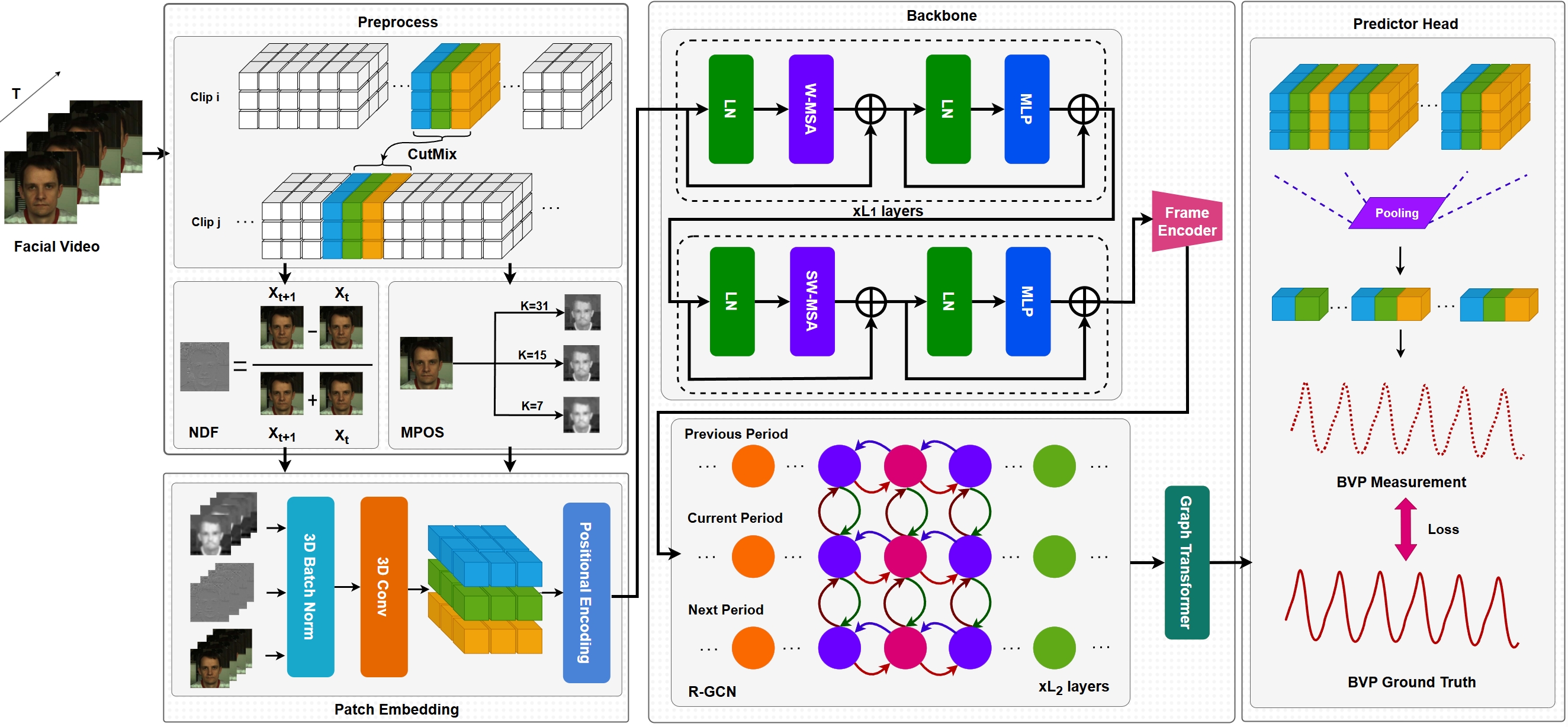
Figure 1: Schematic diagram of the overall Reperio-rPPG framework (embedded figure from page 5 of PDF)
Periodicity Modeling Mechanism
In temporal modeling, the authors treat frames as nodes and construct a graph structure to encode interactions between frames. This graph structure can adaptively learn relationships, capturing local and global structures. Graph Neural Networks (GNNs) are well-suited for learning hidden relationships in time-series data, especially for rPPG tasks.
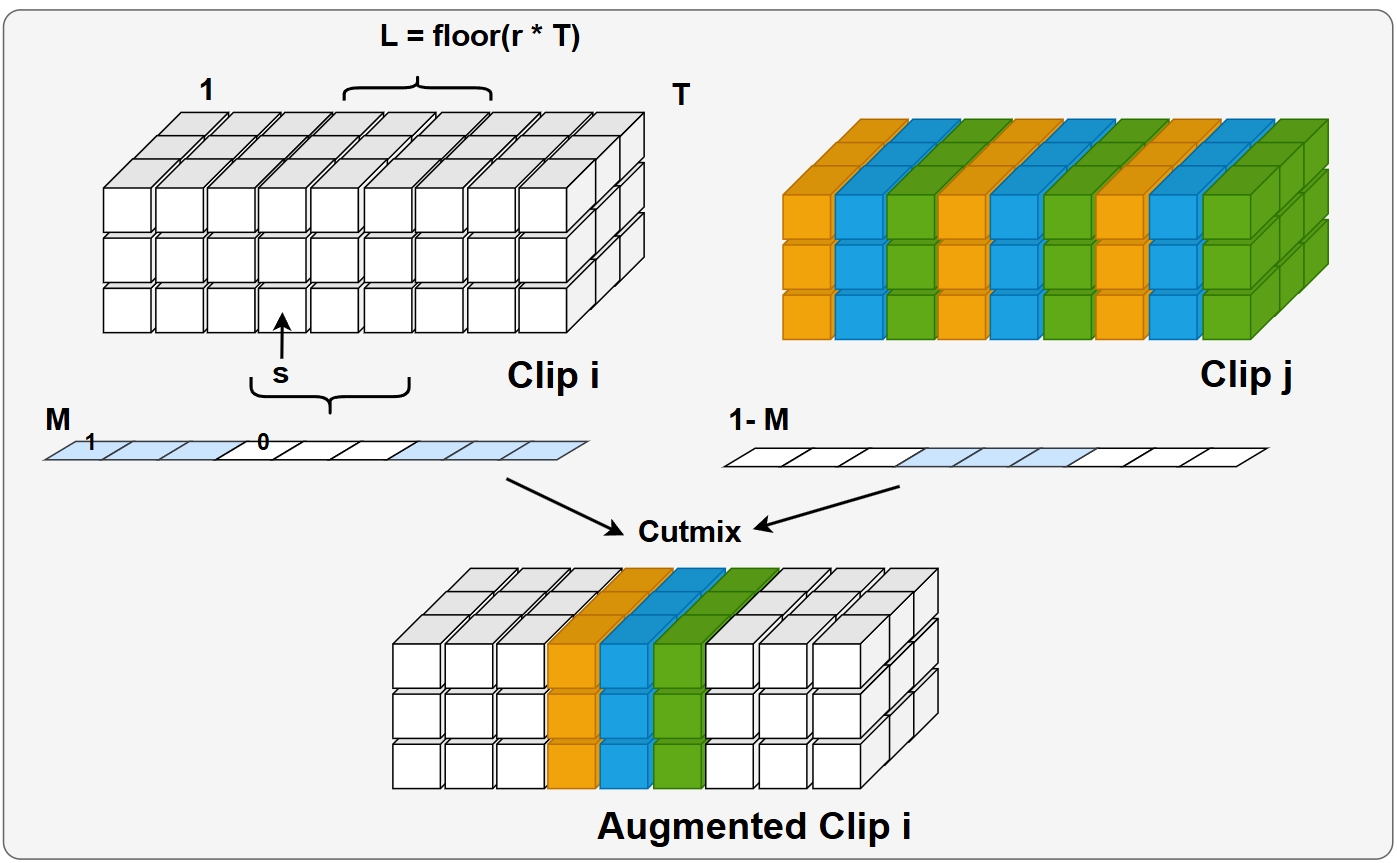
Figure 2: Details of Temporal Graph Neural Network and Periodicity Modeling (embedded figure from page 6 of PDF)
Through explicit graph formulation, the model can directly simulate the periodicity of heart rate. This method not only utilizes temporal dependencies between frames but also leverages the inherent phase consistency of physiological signals, making up for the deficiencies of existing methods in utilizing cross-cycle patterns.
Data Augmentation Strategy
Addressing the limited diversity of existing rPPG datasets, the authors introduce a customized data augmentation strategy combining the following techniques:
- Temporal CutMix (TCM): Mixing augmentation on the temporal dimension.
- Normalized Difference Frames (NDF): Normalized difference frames to enhance signal contrast.
- Multi-Scale Plane-Orthogonal-to-Skin (MPOS): Multi-scale skin orthogonal planes to improve spatial feature robustness.
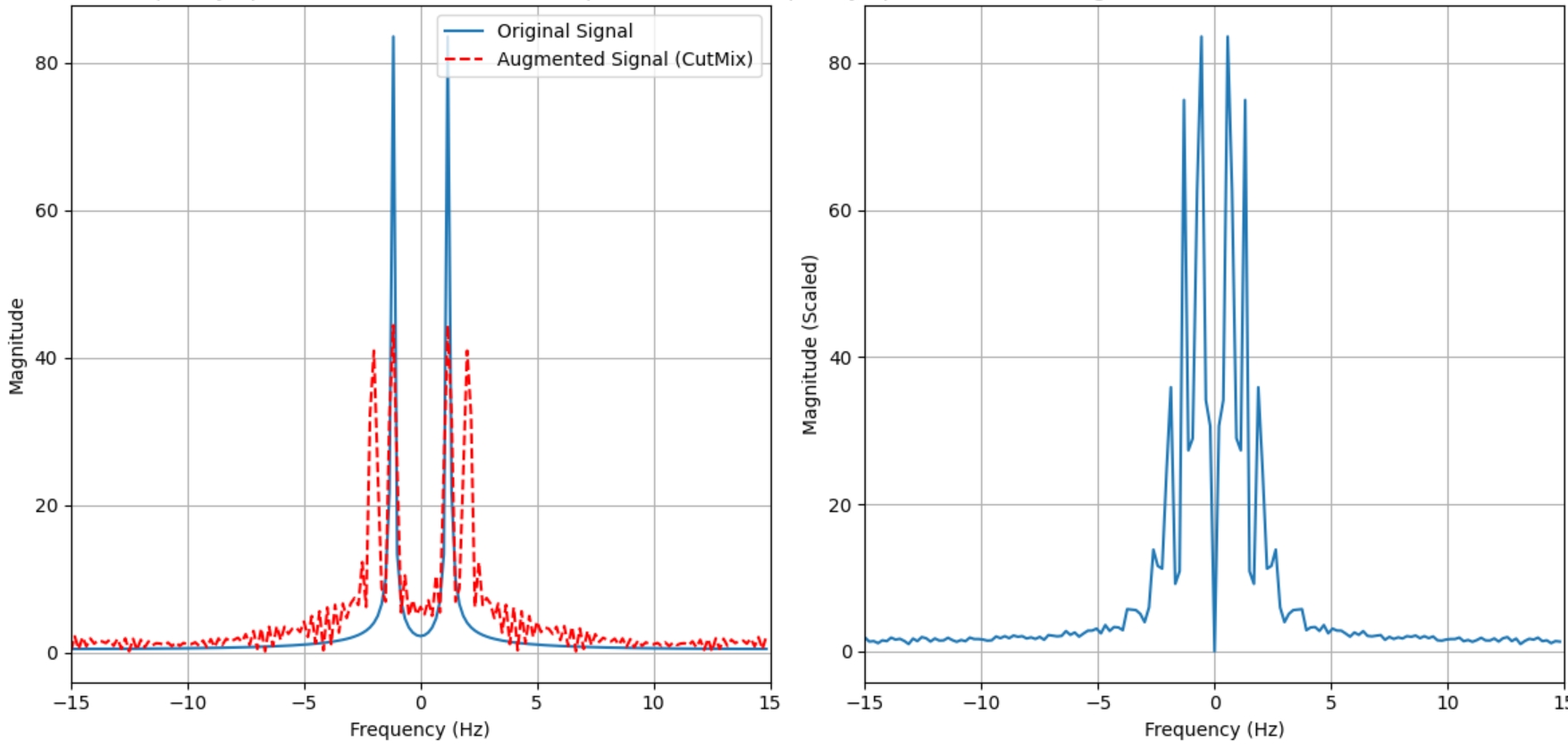
Figure 3: Schematic diagram of customized data augmentation strategy (embedded figure from page 8 of PDF)
This combined strategy significantly improves the robustness and generalization capability of rPPG models, enabling them to better cope with noise and variations in real-world scenarios.
Experimental Setup and Results
Datasets and Evaluation Metrics
The authors conducted extensive experiments on three widely used benchmark datasets:
- PURE
- UBFC-rPPG
- MMPD
These datasets cover different acquisition conditions and subject states, allowing for a comprehensive evaluation of model performance.
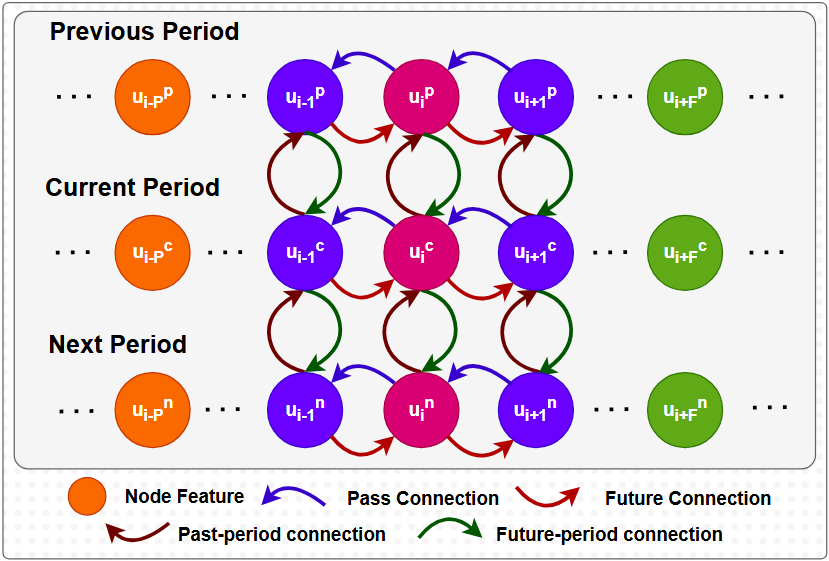
Figure 4: Experimental dataset distribution and preprocessing workflow (embedded figure from page 9 of PDF)
Performance Comparison
Experimental results show that Reperio-rPPG not only performs excellently under controlled laboratory conditions but also consistently and substantially outperforms state-of-the-art methods in challenging real-world scenarios (e.g., diverse lighting changes, subject motion, complex backgrounds).
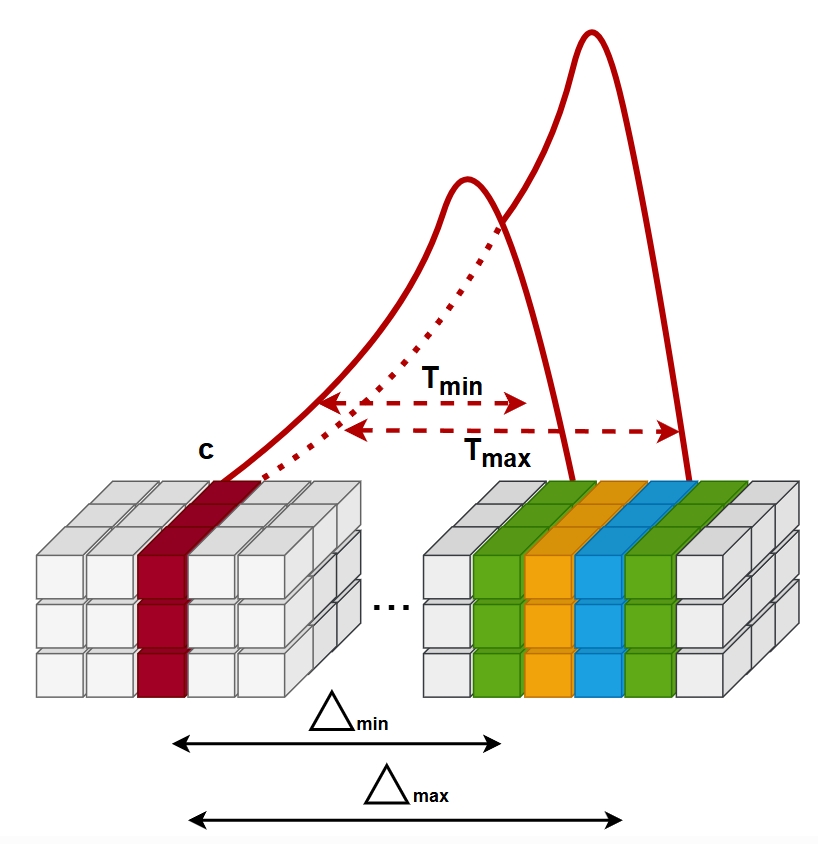
Figure 5: Comparison of main experimental results (embedded figure from page 11 of PDF)
Robustness Analysis
The model demonstrates significant robustness under various motion states (static, rotation, speaking, walking) and lighting conditions (natural light, low LED, high LED). This proves the effectiveness of introducing periodicity learning and graph neural network structures.
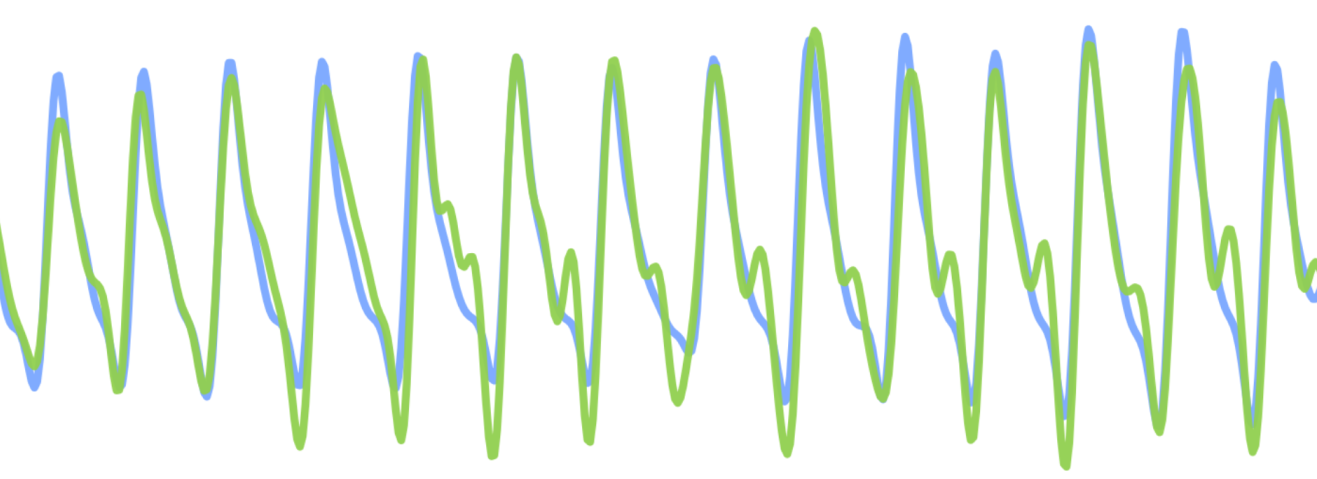
Figure 6: Robustness analysis under different motion and lighting conditions (embedded figure from page 14 of PDF)
Summary and Outlook
Reperio-rPPG successfully incorporates the intrinsic periodicity of physiological signals into model design by introducing relational temporal graph neural networks, addressing the deficiencies of traditional rPPG methods in capturing fine-grained temporal dynamics. Combined with a customized data augmentation strategy, the framework achieves SOTA performance on multiple benchmark datasets and demonstrates strong environmental adaptability.
Future research directions may include:
- Further exploring more complex graph structures to capture multimodal physiological signals (e.g., coupling between respiratory rate and heart rate).
- Verifying the model’s generalization capability on more diverse real-world datasets.
- Optimizing computational efficiency for deployment on mobile or edge devices.
Code is publicly available at https://github.com/deconasser/Reperio-rPPG, providing valuable resources for subsequent research.
This note was included in the arXiv daily digest 20260614. More roundups at blog archive .